AI Agent
The Great Pivot:
Why Enterprises are Moving from Chatbots to AI Agents
Saturday, February 14, 2026
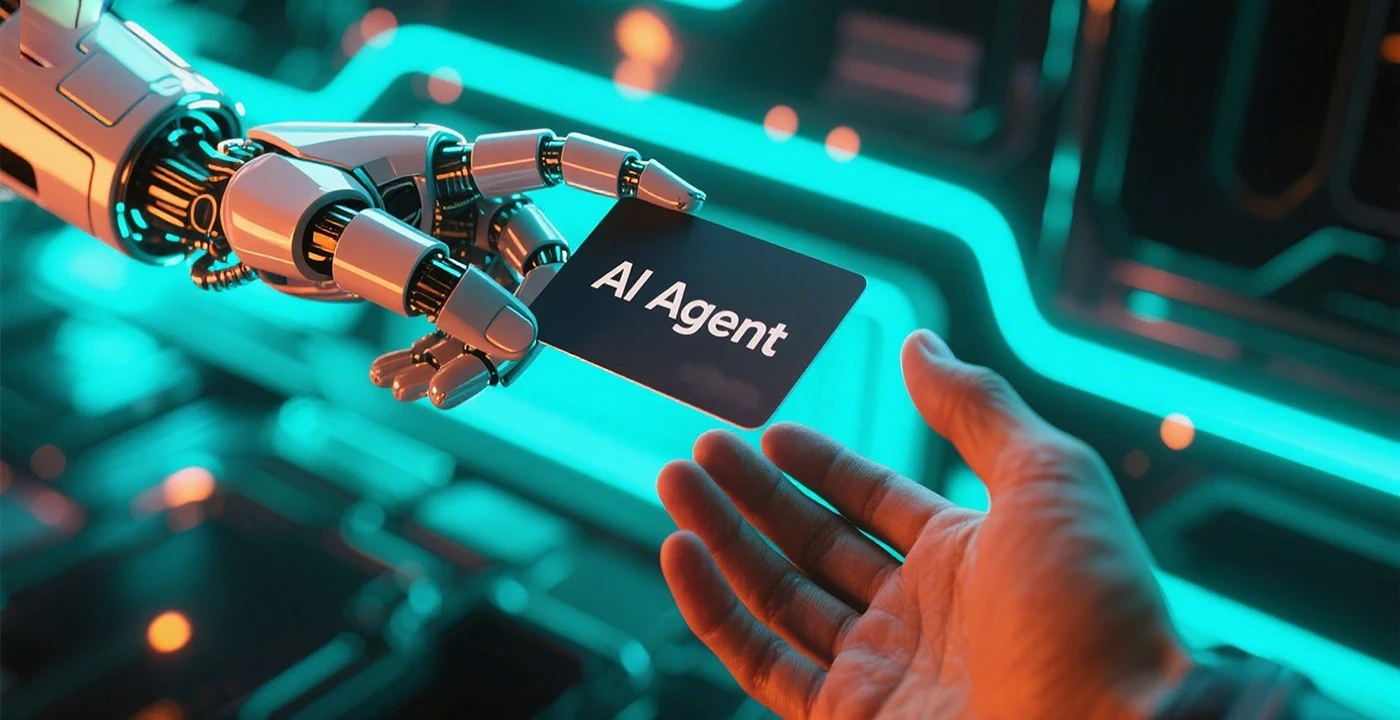
For the last decade, businesses have relied on traditional chatbots to manage customer service workloads. However, industry standards have evolved. In 2025, simply "answering" questions is no longer enough to stay competitive. Leading enterprises are now making The Great Pivot from reactive chatbots to autonomous Agentic AI.
Chatbot vs. AI Agent: What is the Difference?
Traditional chatbots operate on rules or simple information retrieval. They can only provide pre-programmed answers. In contrast, Kata.ai’s AI Agents possess Reasoning capabilities.
Feature | Traditional Chatbot | Agentic AI (Kata.ai) |
|---|---|---|
Goal | Answering FAQs (Response) | Executing Tasks (Action) |
Logic | Rule-based/Scripted | Reasoning & Context-aware |
Integration | Limited to chat interface | Deeply integrated into CRM/ERP |
Outcome | New ticket for human agent | Problem resolved autonomously |
Beyond FAQs: The Power to Act
An AI Agent doesn't just tell a customer how to process a refund; it executes the refund for them. Through deep API integrations, Kata.ai’s AI Agents can:
Resolve Complex Tickets: Understand technical issues and provide solutions without escalation.
Process Transactions: Handle refunds, reschedule flights, or upgrade services independently.
Manage Workflows: Coordinate between departments (e.g., syncing data between Sales and Logistics) without human intervention.
From Cost Center to Efficiency Driver
For BoDs and Operations Managers, this shift transforms service departments from a burdensome cost center into a powerful efficiency driver. With Agentic AI, companies can drastically slash operational costs while boosting CSAT, as customers receive instant resolutions rather than template responses.
The future of automation is not about how fast we answer a customer; it’s about how fast we solve their problem without human intervention.
AI Agents for Your Business